E-App
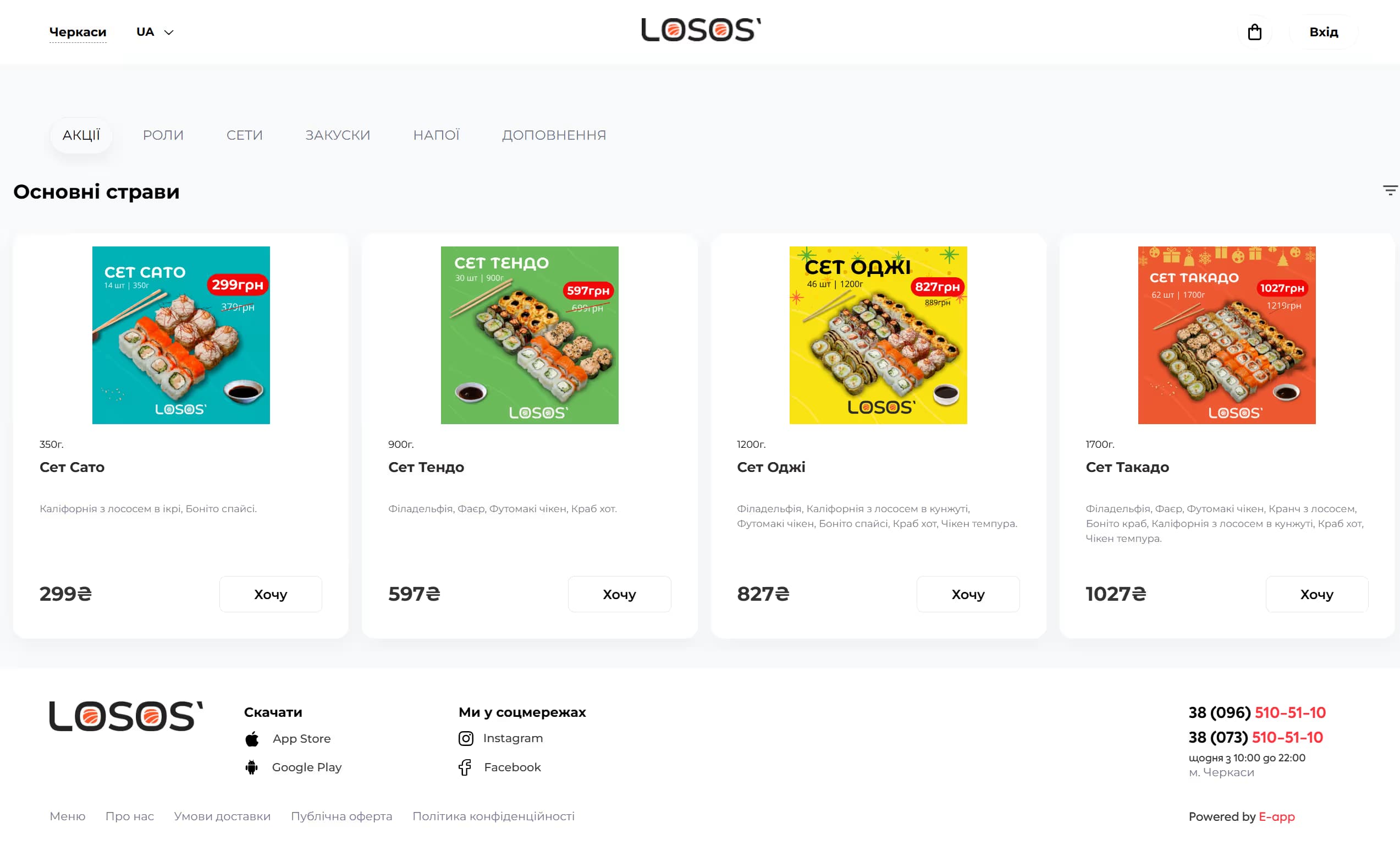
The E-App Admin Panel is a centralized dashboard designed to manage multiple client websites and mobile applications from a single interface. Built in 2019, the platform provides business owners—particularly small restaurants and coffee shops—with full control over their products, content, working hours, and promotions. The frontend was developed using React and Redux, while the backend combined PHP, SQL, and integrations with external POS services such as Poster.
The system was designed with flexibility and scalability in mind. Its modular architecture allows each client to access only the features they need, while supporting high product volumes and custom integrations without compromising stability. Real-time updates ensure that any changes made in the admin panel are instantly reflected on public websites and apps.
This project was a significant professional milestone for me. I developed the platform from scratch, supported it for two years, and gained valuable experience in frontend architecture, backend integration, database design, and Linux server deployment—delivering a reliable tool that simplified daily operations for many businesses.
Year
2026
Category
CRM
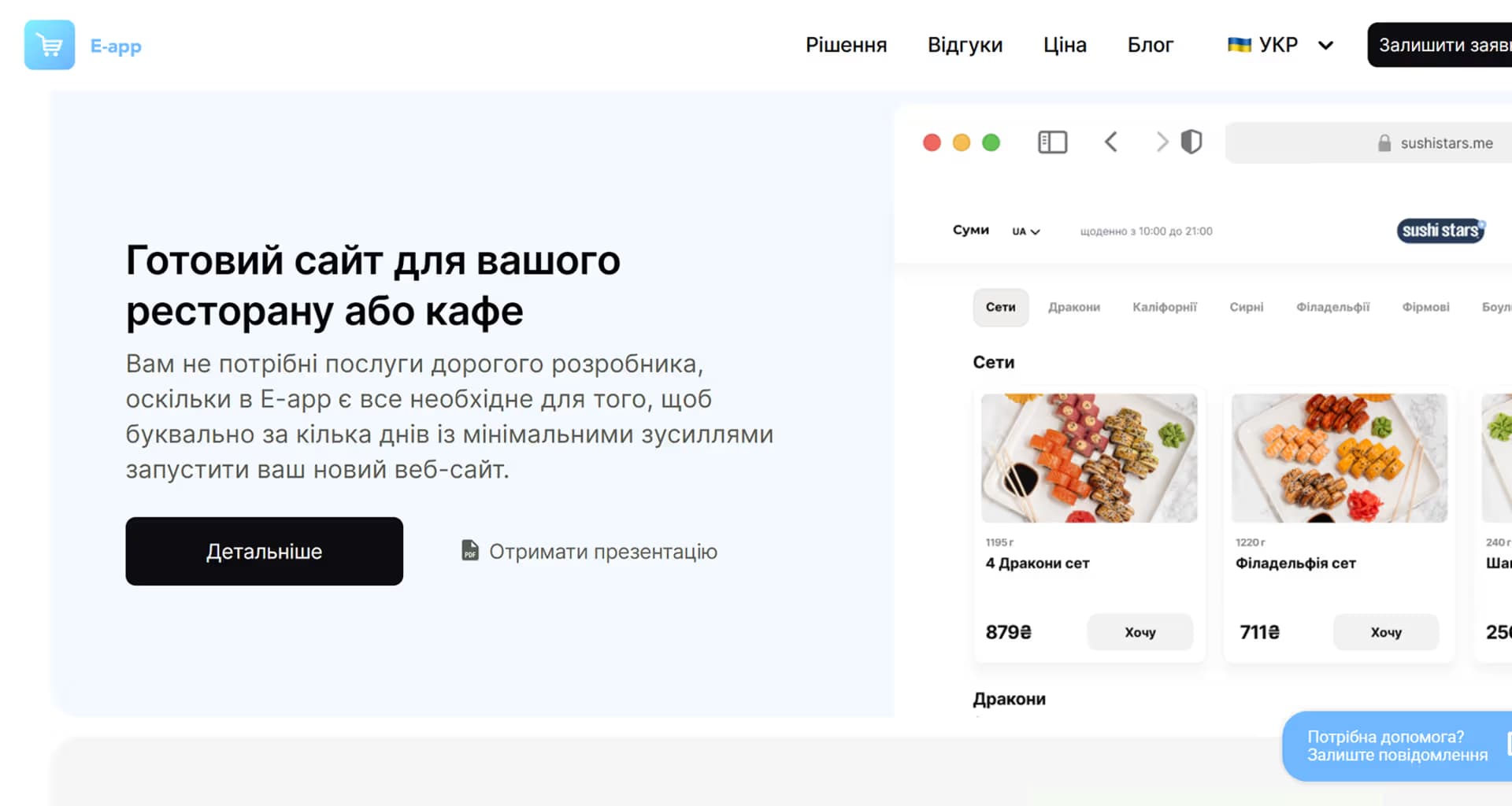
The E-App Admin Panel is a centralized dashboard designed to manage multiple client websites and mobile applications efficiently. It provides business owners with full control over their digital presence while remaining flexible enough to support different industries, such as coffee shops and restaurants.
The project was initiated in 2019 and gradually evolved to support multiple websites under a single system. On the frontend, the application was built using React with Redux for state management. The backend was partially implemented in PHP and integrated with third-party services such as Poster and other POS systems.
The main goal was to give clients complete autonomy over their websites and apps. Through the admin panel, they could manage products, update content, change working hours, edit sliders, and publish updates instantly. The architecture was modular and configurable, ensuring that each client only saw the features relevant to their business, making the system both scalable and easy to use.
Problem
One of the key challenges was designing a system capable of integrating with multiple external services while remaining stable and performant. The platform needed to handle large product uploads and new integrations without risking crashes or data loss.
Another complexity was customization. Some clients required specific feature adjustments, while others preferred a default configuration. Additionally, every change made in the admin panel was immediately reflected on the public website, which made thorough testing essential to ensure data consistency and reliability.
Project Goals & Architecture
Before active development, I focused on understanding the existing structure, selected libraries, and estimating the required development time. During this phase, I worked extensively with unfamiliar technologies, rewriting and refactoring parts of the system to improve maintainability.
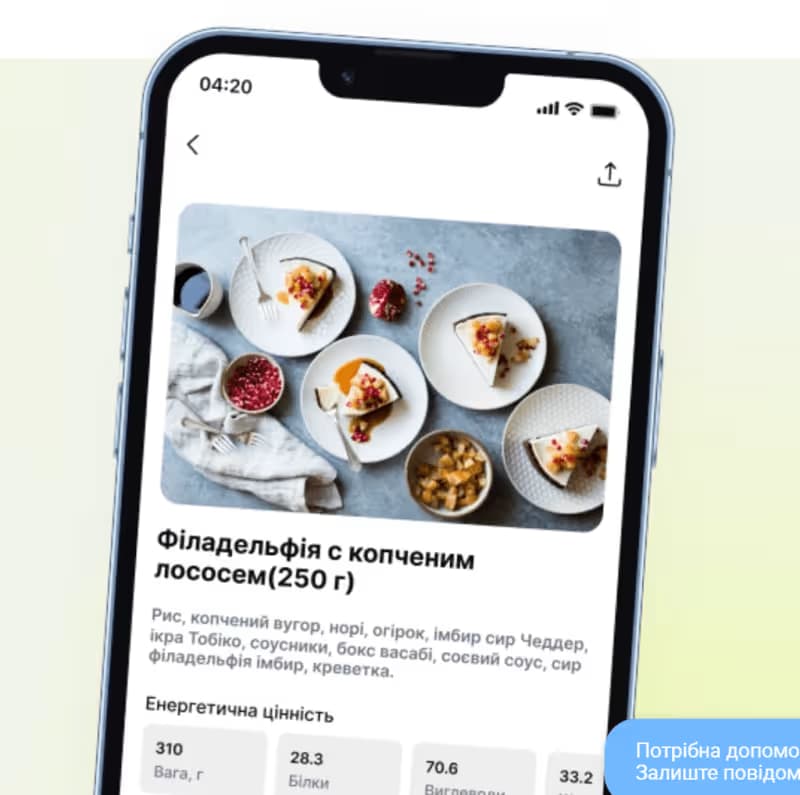
We chose Firebase as a lightweight solution for managing user profiles and dashboard assets. On the frontend, I relied on React and Redux, implementing complex date-based logic using Moment.js. This was especially important for businesses that needed different operating hours for in-store service versus delivery availability.
The system included deeply nested logic and reusable components. I built custom templates for integrations so that new services could be added once and quickly attached to multiple clients, ensuring fast deployment and consistent behavior across projects.
Solution
The development of the E-App Admin Panel took approximately three months and was built entirely from scratch, without predefined design systems or architectural patterns. Throughout the process, I restructured database schemas and refined product models to better support scalability.
Clients could create and update products through structured forms, manage categories, and upload assets. Data was saved using PHP on the backend, while orders were persisted in an SQL database to ensure reliability.
Push notifications were implemented to engage users, and promotional messages could be sent when required. Products could be assigned to categories and enhanced with additional items such as cutlery or packaging options.
To address incomplete purchases, I introduced a mechanism to store all orders in the database. If a payment failed, the client would be notified during their next session, preventing lost sales and improving business visibility.
Result
The E-App Admin Panel became a core internal tool used by many company clients. I actively supported and extended the platform for two years, delivering multiple client projects based on this system.
This project significantly strengthened my skills in frontend architecture, backend integration, database design, and Linux server deployment. It was one of the most challenging projects I worked on—especially on the frontend, which required managing complex state and layered logic—but it was also one of the most rewarding.
The E-App Admin Panel provided real value to businesses by simplifying operations and accelerating their ability to sell products online. Completing and maintaining this project was an important milestone in my professional growth.